
Speech Sound Development & Therapy in Perth
Is your child having trouble saying certain sounds? Perhaps they say "tar" instead of car, or "bish" instead of fish.
When it comes to communication, speech sounds are the "icing on the cake" (the very tip of the communication pyramid!). Because speech sounds are the final skill to mature, it is incredibly normal for toddlers to be a little tricky to understand at first. However, as children grow, we expect certain sounds to develop by specific ages.
At Walky Talky, our Perth-based speech pathologists are incredibly passionate about speech sound development. We love working closely with families to help children find their clarity, reduce communication frustration, and speak with confidence.

When Should Speech Sounds Develop?
Every child develops at their own pace, but there are clinical milestones for when specific sounds should be mastered. If your child is missing sounds expected for their age, or if family and educators are struggling to understand them, early intervention can make a world of difference.
👉 Not sure what's typical? Check out our detailed guide: Child Speech Development: Sound Milestones to see an age-by-age breakdown of speech sounds.
Speech Sound Difficulties We Support
Our experienced therapists are highly trained in identifying and treating a wide range of speech sound challenges. We provide specialised support in Perth for:
- Articulation Difficulties: This occurs when a child struggles to physically produce a specific sound correctly (such as a lisp with the "s" sound, or difficulty producing "r" sounds). Therapy focuses on teaching the tongue and lips the right movements.
- Phonological Disorders: Rather than struggling with just one sound, a child with a phonological disorder has trouble learning the rules of the sound system. They might consistently swap groups of sounds out - for example, leaving off the endings of all words or replacing back of the mouth sounds like "k" and "g" with front sounds like "t" and "d" ("tup" instead of cup).
- Childhood Apraxia of Speech (CAS): CAS is a neurological speech sound disorder where the brain struggles to plan and coordinate the precise muscle movements needed for speech. Children with CAS know exactly what they want to say, but the message doesn't travel smoothly to the mouth.
- Dysarthria: This is a motor speech disorder caused by muscle weakness or neurological changes affecting the muscles used for breathing, vocalising, and speaking. Therapy focuses on strengthening muscle coordination and improving overall speech clarity.
Our Team's Approach
Speech therapy at the Walky Talky Hub is neurodiversity-affirming, family-centered, and—most importantly—fun! We know that children learn best when they are fully engaged, so we wrap our evidence-based speech practices into play-based learning that feels like a game to your child.
Our passionate Perth speech therapists will complete a thorough assessment of your child's speech systems, figure out exactly where the breakdown is occurring, and create a custom roadmap to help them build clear, effortless speech.
How Parents Can Help at Home Today
You don't need to wait for your appointment to start supporting your child! Here is a simple, effective strategy you can use during daily play:
- Model, don't pressure: When your child says a word incorrectly, simply repeat the word back to them while emphasizing the correct sound. For example, if they say "Look, a big bish!", you can say, "Yes! That is a big fffish!".
- Keep it positive: Avoid asking them to repeat it perfectly on the spot, as putting too much pressure on sounds they aren't developmentally ready for can cause frustration.
Help Your Child Speak Clearly
If you notice your child never babbled as a baby, has a limited range of sounds, or is becoming frustrated because others can't understand them, the Walky Talky team is here to guide you.
- Read Our Milestone Blog post to learn more about age expectations.
- Book a Speech Assessment at Walky Talky Hub in Perth today and let’s get those speech sounds sorted!
What our Speech Pathologists say...
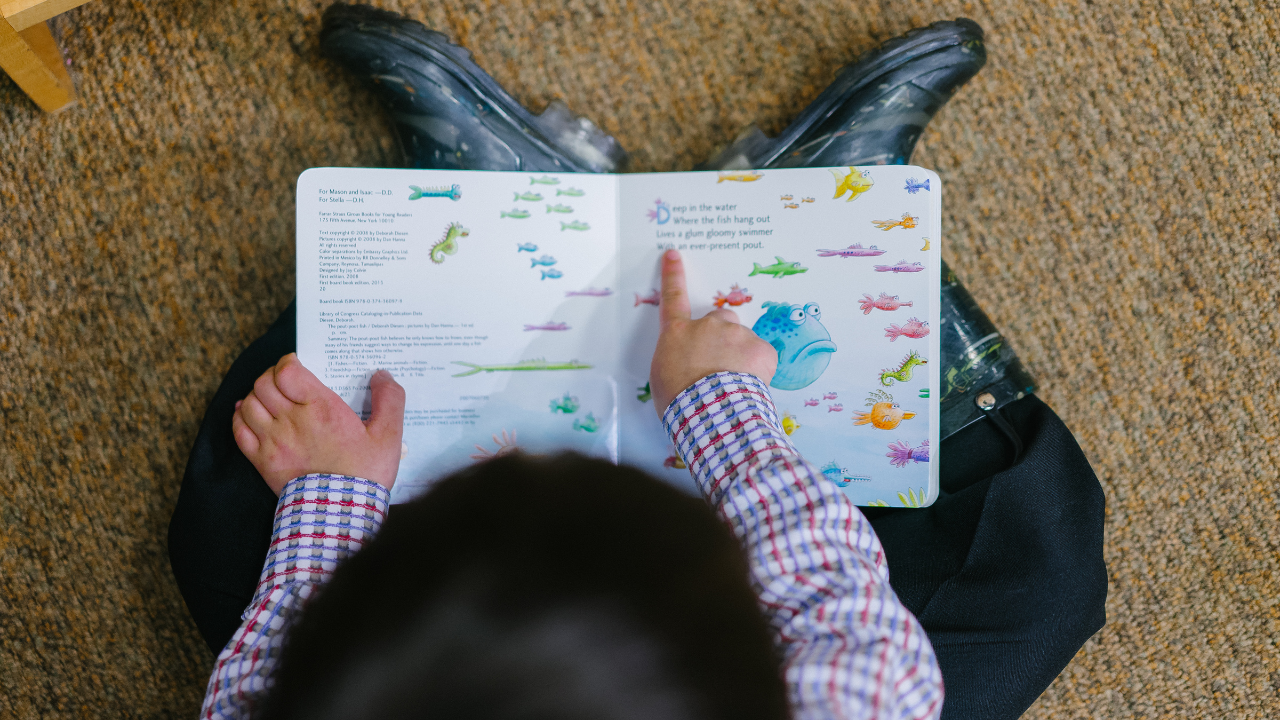
5 Types of Books to Support Toddler’s Language Development
Choosing books for your toddler can feel overwhelming, but the right ones can make story time more engaging and support early communication. This blog shares five types of books that encourage interaction, copying, first words, and vocabulary growth — from touch-and-feel books & lift-the-flap stories to sound-action and verb-focused books you can enjoy together at home.

Help your Toddler talk with Verbal Routines
Verbal routines are simple words and phrases your toddler hears again and again during familiar activities like play, books, bath time, or meals. This blog explains how predictable language can build understanding, encourage first words, and help toddlers join in with confidence. It also shares easy examples parents can use at home to make everyday routines more supportive of early communication.

Reading to Baby: 8 Expert Tips for Language Development
Reading with your baby can support language development long before they understand the story. This blog explains how books help babies become familiar with sounds, words, and early communication while creating a special time for connection. It also shares simple tips for choosing books, following your baby’s interests, and making reading part of everyday routines from day one.


