Why Animal Walks Are the Ultimate Secret Weapon for Toddler Strength and Speech
Oct 08, 2026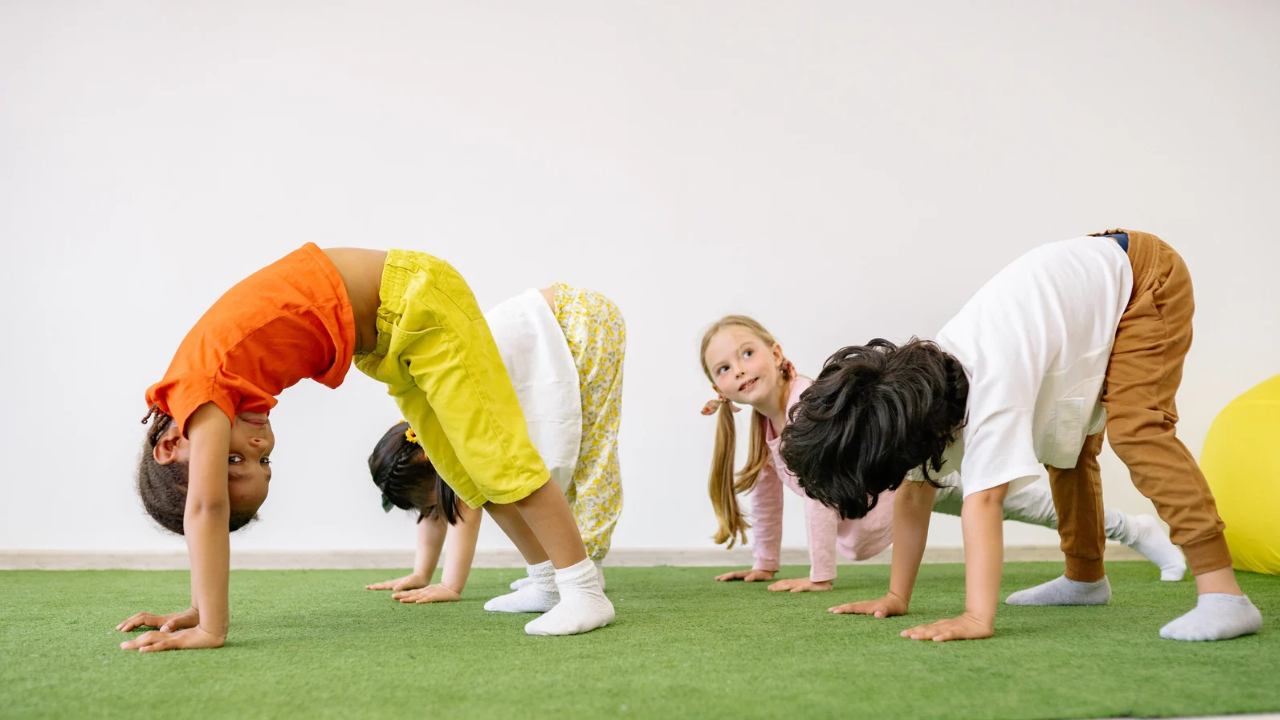
If you’ve ever watched a toddler try to stomp like a dinosaur or hop like a kangaroo, you already know how much joy movement games bring to young children. As a Physiotherapist with 20 years of experience working exclusively with babies and children, I often share with families that animal walks are far more than just cute playtime activities.
They are an absolute staple in therapy because they give you incredible "bang for your buck." From building physical strength to encouraging early sentences, animal walks bring dynamic, evidence-based movement into your daily routine without feeling like hard work.
Why Do Physiotherapists and Speech Pathologists Love Animal Walks?
Animal walks naturally recreate key poses seen in yoga and Pilates. They require your toddler to hold challenging positions that build core stability, then add movement to develop power, endurance, and motor co-ordination.
Here is why we recommend them so often:
- Weight Bearing Through the Upper Body: Bear crawls or crab walks force toddlers to support their weight through their hands and shoulders. This strengthens the shoulder girdle, arm muscles, and wrist stability—vital preparation for future milestones like playground climbing, drawing, and holding writing tools.
- Core and Pelvic Strength: Holding the trunk stable while moving four limbs independently builds deep core strength and dynamic balance.
- Motor Planning and Co-ordination: Animal walks involve the arms, legs, and core all working together in different ways. Copying complex movements like this helps to develop your child's motor planning and co-ordination.
- Speech and Language Integration: At Walky Talky Baby, my co-founder Chiara (Speech Pathologist) and I always talk about the link between physical movement and communication. Movement fuels expression! Animal walks open up opportunities for imaginative play, animal noises, expressive action verbs (jump, stomp, crawl), and social interaction.
How Can You Include Animal Walks in Your Daily Routine?
You don't need fancy equipment or huge spaces to get moving. Here are practical ways to bring animal walks into your day:
1. Smooth Out Daily Transitions
Getting a toddler to move from playtime to the bath or car can sometimes trigger a standoff. Using an animal walk shifts the brain from resistance to play.
Instead of: "Come on, it's time for the bath!"
Try: "I'm going to walk to the bathroom like a big bear! Are you going to be a bear or a hopping bunny?"
Giving a choice wrapped in imaginative play builds co-operation while sneakily getting in some heavy work movement.
2. Make Footprints in Sand or Water
Try animal walks with wet feet on the patio tiles after bath time, or along the shoreline at the beach. Seeing their own "funny animal tracks" gives toddlers immediate visual feedback about where their body is in space.
3. Animal Walk Treasure Hunts
Set specific movement goals as part of a mission. This helps toddlers practice listening to instructions while navigating their environment.
- "First, jump like a kangaroo to collect that green leaf."
- "Okay, now gallop like a horse and collect three pieces of bark."
4. Animal Walks in Obstacle Courses
Use a visual cue—like a specific sticker on the floor or a toy animal figurine—at different stations in an indoor or outdoor course. This visual prompt indicates exactly when and which animal the child should change into, developing agility and cognitive flexibility.
5. Play Animal Musical Statues
Put on your little one's favourite song. Animal walk around the room while the music plays, and when you freeze the music, everyone has to hold their animal pose! Holding a static pose on one leg (like a flamingo) or down on all fours (like a crab) is a fantastic way to develop posture and balance.
6. Channel "Wild Energy" on Rainy Days
When indoor energy is high and you can't head outside, lean into it. Ask your toddler to be the noisiest, biggest lion or wildest T-Rex they can be. Expending that heavy energy through deep muscle activation helps regulate their sensory system and calm their nervous system afterward.
7. Use Visual Cards for Easy Play
Use animal walk cards or print out the sheet provided in our downloads section. Print and laminate them so they can be used as playing cards, or keep them on a board to tick off as you complete them. This is a brilliant way to encourage communication, as toddlers can use the visuals to indicate which walk they want to do next.
Talky Tips: How to Build Language While You Move
When you move together, you have a golden opportunity to model words and phrases. Here is how you can boost communication during animal play:
- Add Descriptive Adjectives: Talk about how the animal moves. Are you a BIG bear, a tiny mouse, a fast cheetah, or a scary dinosaur?
- Model Action Verbs and Phrases: Pair the action with prepositions to build early sentences. Model phrases like "walk over", "jump up", or "crawl under".
- Offer Simple Choices: If your toddler isn't copying your words yet, give them a clear binary choice: "Should we walk fast or walk slow?"
Simple Strategies for Every Stage
Whether you're helping your baby master tummy time or supporting a toddler who is non-stop on the go, small, intentional play ideas make a significant difference in early development.
If you are looking for clear, step-by-step guidance you can access anywhere, our online memberships at Walky Talky Baby offer evidence-based resources, video tutorials, and developmental tracking for every stage:
- Walky Talky Baby Membership (0–12 months): Laying the foundations for rolling, crawling, and early communication.
- Walky Talky Toddler Membership (Walking+): Play-based strategies to boost strength, co-ordination, speech, and emotional regulation.
For families located in Western Australia, our therapy centre, Walky Talky Hub, in Myaree, Perth provides holistic 1:1 care. Our multidisciplinary team of Physiotherapy, Speech Therapy, and Psychology works together to support your child's growth under one roof. We welcome NDIS (self and plan-managed), Medicare, and Private Health funding.
This information is general in nature and does not replace 1:1 clinical advice. If you have concerns about your child’s development, we recommend an assessment at our Myaree Hub or with your local therapist.
Our Walky Author

Our Talky Author