The Close Connection: Benefits of Baby Carriers and Baby Wearing
Oct 27, 2025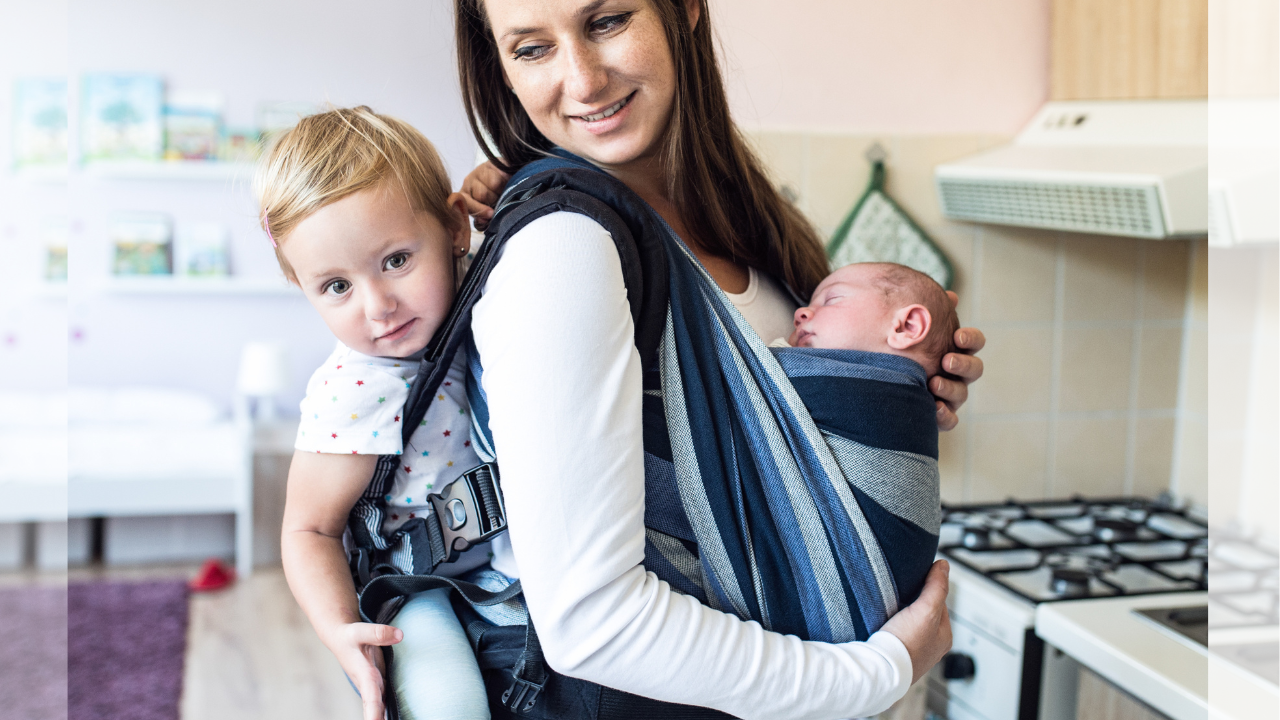
In the whirlwind of new parenthood, finding ways to keep your baby close, content, and safe while freeing up your hands can feel like a superpower. Enter the baby carrier! As healthcare professionals who regularly support families, we frequently champion the benefits of babywearing. It's a wonderful tool for bonding, practical daily living, and can even contribute positively to your baby's development.
Why Embrace Baby Wearing for Bonding and Development
Beyond the sheer convenience, babywearing offers a wealth of advantages for both baby and caregiver:
- Strengthened Bonding and Attachment: Keeping your baby close, skin-to-skin or snuggled against you, fosters a deep sense of connection and security. This closeness helps parents respond quickly to their baby's cues, building trust and a secure attachment.
- Reduced Crying: Studies suggest that carried babies tend to cry less. The gentle motion and constant closeness mimic the womb environment, providing comfort and soothing fussy infants.
- Enhanced Cognitive and Social Development: When babies are carried, they are positioned at an adult's eye level, allowing them to observe the world from your perspective. They hear conversations, see facial expressions, and are more engaged in your daily activities, stimulating their cognitive and social growth.
- Support for Breastfeeding: Babywearing can make breastfeeding more accessible and discreet, encouraging more frequent feeds and potentially boosting milk supply.
- Freedom and Convenience for Caregivers: Having your hands free means you can navigate daily tasks, care for older siblings, or simply enjoy a walk, all while keeping your little one safe and content.
- Improved Physical Development: Being carried in an upright, ergonomic position can help babies develop better head and neck control, as well as core stability muscles.
Choosing the Right Baby Carriers for You and Your Baby
Choosing a baby carrier can feel overwhelming with the array of options available. Here's a breakdown of common types, each with its unique characteristics:
Stretchy Wraps:
Description: Long pieces of soft, stretchy fabric tied around the body to create a snug pouch for the baby.
- Pros: Ideal for newborns, offer a very snug and womb-like feel, excellent for skin-to-skin, affordable, compact.
- Cons: Can have a learning curve for tying, may become less supportive as baby grows (typically up to 4-6 months/8kg).
Ring Slings:
Description: A single piece of fabric threaded through two rings to create an adjustable pouch. Worn over one shoulder.
- Pros: Quick to put on and take off, great for short carries or "up and down" toddlers, lightweight and compact.
- Cons: Weight is distributed over one shoulder, which can cause discomfort during longer carries, requires practice to master adjusting.
Soft Structured Carriers (SSCs):
Description: The most common type, with a padded waistband, padded shoulder straps, and buckles for easy adjustment.
- Pros: Very versatile, comfortable for longer carries due to even weight distribution, often offer multiple carry positions (front, hip, back), relatively easy to use.
- Cons: Can be bulkier to pack, typically more expensive.
Meh Dais (or Mei Tais):
Description: A traditional Asian-style carrier with a panel for the baby and four straps that tie around the wearer's waist and shoulders.
- Pros: Highly adjustable to fit different body types, comfortable, can be used for newborns to toddlers, offers various carry positions.
- Cons: Requires practice with tying, straps can drag on the ground when putting on.
Woven Wraps:
Description: Similar to stretchy wraps but made from non-stretchy, woven fabric. Available in various lengths.
- Pros: Extremely versatile, can be used for newborns to toddlers and beyond, offers endless tying possibilities for different carries, excellent weight distribution.
- Cons: Steepest learning curve for tying, can be time-consuming to put on.
What to Look for in Safe and Supportive Baby Carriers
When choosing a carrier, consider these key factors:
-
Age and Weight Suitability: Ensure the carrier is appropriate for your baby's current age, weight, and developmental stage (e.g., head control).
-
Comfort for Both Wearer and Baby: Look for padded straps and waistbands for the wearer, and soft, supportive fabric for the baby.
-
Ease of Use: Some carriers are quicker to put on than others. Consider your lifestyle and how often you'll be using it.
-
Adjustability: A good carrier will adjust to fit various body types of caregivers and grow with your baby.
-
Fabric and Seasonality: Think about the climate in Perth! Breathable fabrics like mesh or linen are excellent for our warmer weather.
Baby Carrier Hip Health and Safe Baby Wearing Positions
As physiotherapists, hip health is paramount. When using a baby carrier, it's essential to ensure your baby's hips are in a "hip-healthy" position. This means their hips should be:
- Spread Apart: The baby's thighs should be spread around your torso.
- Hips Bent: Their hips should be bent so their knees are slightly higher than their buttocks.
- Thighs Supported: The carrier should support the baby's thighs from knee-to-knee.
This position is often described as the "M-position," "frog-leg position," or "spread-squat position." It allows the hip joint to develop naturally and reduces the risk of Developmental Dysplasia of the Hip (DDH). DDH occurs when the hip joint is not formed correctly, and forcing a baby's hips into a straight, stretched-out position for prolonged periods can contribute to this.
The International Hip Dysplasia Institute (IHDI) promotes healthy hip positioning in baby carriers. They state that while no carrier can cause or prevent hip dysplasia, products that restrict hip motion by avoiding flexion and abduction (the "M-position") can contribute to it. They acknowledge companies whose products align with their recommendations for healthy hip positioning.
Look for carriers that are recognised as "hip-healthy" by the IHDI. You can find more information and a list of hip-healthy products on their website: https://hipdysplasia.org/
Research also supports the importance of wide-base carriers: A study published in the Journal of Orthopedic Research confirmed that wide-base carriers hold an infant's hips in a position similar to the Pavlik harness, used to treat hip dysplasia. This research provides a scientific basis for the observation that cultures where infants are commonly carried with hips spread (e.g., in wraps or slings) tend to have a lower incidence of hip dysplasia. (Reference: Babywearing Research Confirms Hip Healthy Position in Wide-Base Carriers - International Hip Dysplasia Institute.)
Baby Wearing Safety: Essential Guidelines (T.I.C.K.S.)
Regardless of the carrier type, always adhere to crucial safety guidelines to ensure your baby's well-being. The "TICKS" checklist is an easy way to remember these:
- T - Tight: The carrier should be tight enough to hug your baby close to you, preventing them from slumping.
- I - In View at All Times: You should always be able to see your baby's face by simply glancing down. Their face, nose, and mouth must remain uncovered.
- C - Close Enough to Kiss: Your baby should be close enough that you can easily kiss the top of their head by tipping your own head forward.
- K - Keep Chin Off Chest: Ensure there's at least a finger-width space under your baby's chin. Their chin should never be forced onto their chest, as this can restrict their breathing. Regularly check their breathing, especially if they fall asleep.
- S - Supported Back: Your baby's back should be supported in a natural, rounded position, with their tummy and chest against you.
Important Notes for Safety:
- Read the Manual: Always read and follow the manufacturer's instructions for your specific carrier.
- Age and Weight Limits: Do not exceed the carrier's recommended age and weight limits.
- Check for Damage: Before each use, inspect the carrier for any ripped seams, loose fasteners, or frayed straps.
- Bend at the Knees: When bending down, always bend at your knees, not at your waist, to prevent your baby from falling out.
- Avoid Hazardous Activities: Do not engage in activities that could put your baby at risk while babywearing, such as cooking near heat, high-impact exercise, or driving.
The Australian Competition and Consumer Commission (ACCC) also provides excellent guidance on baby carrier safety: https://www.productsafety.gov.au/consumers/keep-baby-safe/move-baby-safely/baby-carriers-wraps-and-slings-guide
Where to Purchase Baby Carriers in Perth, Western Australia
If you're in Perth and looking to purchase a baby carrier, here are some excellent local options:
- Babyland Perth: Located in Osborne Park, Babyland offers a range of popular brands.
- Baby Bunting: As Australia's largest specialty baby retailer, Baby Bunting has multiple locations across Perth (e.g., Booragoon, Osborne Park, Baldivis, Cannington) and a wide selection of carriers, including brands like Ergobaby, BabyBjorn, and Moby Wrap.
- You can find their store locator and more information on their website: https://www.babybunting.com.au/
- Babyroad: A family-owned and run independent baby store in Booragoon, Babyroad offers a curated selection of baby products, including carriers from brands like BabyBjorn, Ergobaby, and Baby K'tan. They have a large showroom to view products.
- Cloth and Carry: A Perth-based online boutique specialising in ergonomic baby carriers and slings, including brands like LennyLamb and Neko Slings. They often have a great selection of newborn carriers.
- Babywearing & You (Online/Workshops): While primarily an online resource, Babywearing & You offers a wealth of information, workshops, and sometimes second-hand carrier sales. They are fantastic for learning how to use different carriers safely and correctly.
- Baby Zone WA: Located in Midland, Baby Zone is another long-standing Perth baby shop that stocks a range of baby products, including carriers.
- Online Retailers (with caution): Many reputable online stores stock baby carriers, but ensure you are buying from a legitimate source and can verify the carrier's safety certifications and "hip-healthy" status. Always check reviews and return policies.
When to See a Physiotherapist for Children in Regards to Babywearing
While babywearing is generally safe and beneficial, there are specific situations where a paediatric physiotherapist's expertise can be invaluable:
- Concerns about Baby's Development: If you notice your baby has a consistent head preference (torticollis), a flat spot on their head (plagiocephaly), or seems to favor one side of their body, a physiotherapist can assess and provide guidance on how babywearing might impact or help these conditions. Sometimes, specific carrying positions can be therapeutic.
- Pre-existing Conditions: If your baby has a diagnosed condition such as Developmental Dysplasia of the Hip (DDH), low muscle tone, or other musculoskeletal or neurological concerns, a physiotherapist can advise on the safest and most beneficial carrier types and positions to support their specific needs. They can help ensure the carrier complements any ongoing therapy.
- Unusual Posture or Movement in the Carrier: If your baby consistently appears uncomfortable, slumps, or adopts unusual postures within the carrier, it might indicate an ill-fitting carrier, improper positioning, or an underlying developmental consideration. A physio can assess this.
A physiotherapist can offer a holistic perspective, considering both your baby's developmental needs and your physical well-being to ensure babywearing is a positive and safe experience for your family.
At Walky Talky Hub in Myaree, Perth, our experienced physiotherapists offer tailored therapy sessions to support your baby’s growth, movement, and development. Whether you’re seeking guidance on babywearing, motor milestones, or early development, our team is here to help you and your baby thrive.
Babywearing can truly be a transformative experience for new parents, offering convenience, closeness, and developmental benefits for your little one. By understanding the different carrier types, prioritising safety, and ensuring proper hip positioning, you can confidently embrace the wonderful world of babywearing!
Our Walky Author

Our Talky Author