Is Paediatric Psychology All Just "Fun and Games"? Understanding Play-Based Therapy
Mar 31, 2026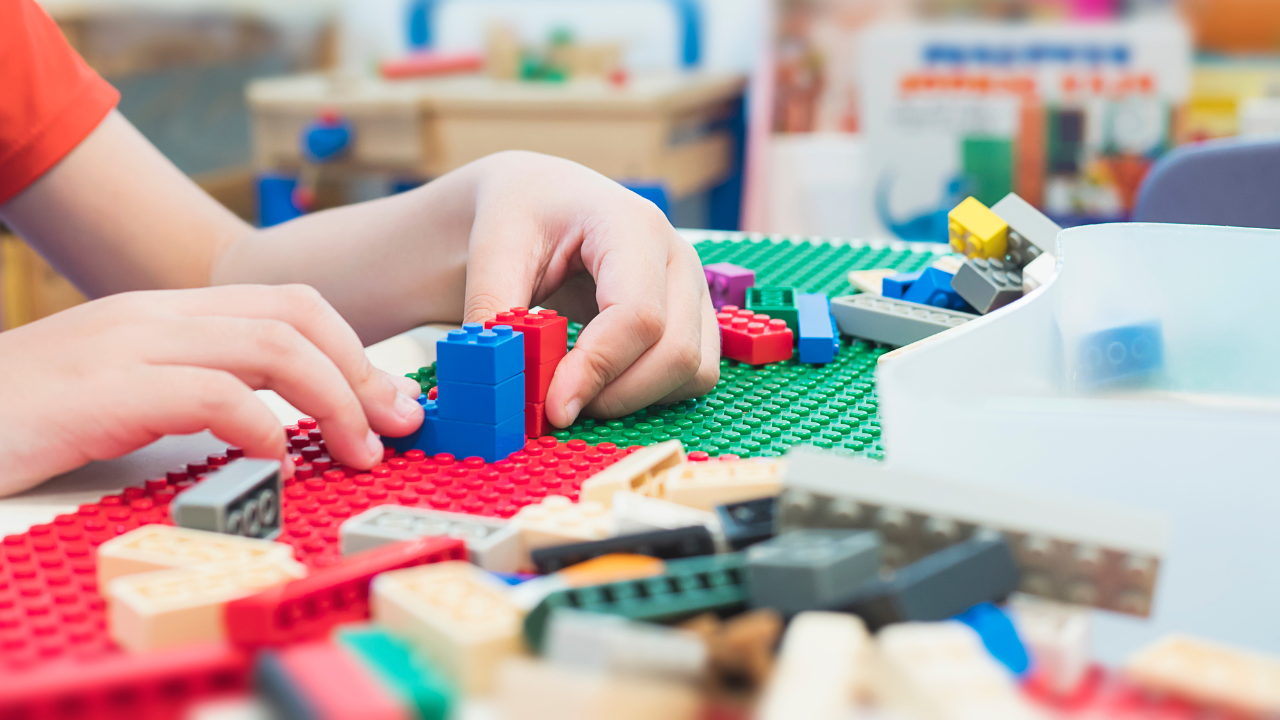
If you were to peek through the window of a psychology session at the Walky Talky hub, you might see a child playing Uno, building with LEGO, or drawing colorful monsters. At first glance, it looks like a simple playdate.
This leads many parents to wonder: Is my child actually doing "work," or is this all just fun and games?
The answer is a strategic blend of both. While sessions are designed to be engaging, every toy, game, and activity is a clinical tool used to bridge the gap between a child’s world and therapeutic growth. For children aged 6 to 12+, play is the "language" they use to process complex emotions and it can be used to treat childhood mental health disorders, including anxiety, OCD, and trauma.
Why Paediatric Psychology Uses Play for Engagement
Most children (and many adults!) struggle to sit through a traditional 50-minute "talk therapy" session. To a child, sitting on a couch and discussing their feelings can feel intimidating. We use games for three specific clinical reasons:
-
Building Rapport:
A child who is having fun is a child who feels safe. Safety is the prerequisite for treating many childhood mental health disorders, especially complex trauma. Games break the ice and build the trust necessary for deeper healing.
-
Therapeutic Breaks:
Processing big emotions is exhausting. We use "brain breaks" to prevent burnout, especially when working through specific phobias or high-stress triggers.
-
Skill Building:
Games are a natural laboratory. They teach turn-taking, frustration tolerance, and social problem-solving—essential skills for children struggling with low self-esteem.
Paediatric Psychology Strategies Beyond Play-Based Therapy
While play is the medium, the "message" is evidence-based clinical intervention. Depending on a child's needs—whether they are navigating Generalized Anxiety or OCD—we move into active skill-building:
-
Calming the "Alarm System"
We teach children about the physiological fight-or-flight response. By using diaphragmatic breathing (belly breathing) and progressive muscle relaxation, children learn how to manually "reset" their nervous system when they feel overwhelmed by separation anxiety.
2. Detective Thinking (Cognitive Reframing)
When a child is trapped by anxious thoughts, we teach them to be "Thought Detectives." We ask: “What is the evidence for this thought?” and “Is there another way to look at this?” This helps them challenge cognitive distortions in a way that feels like a mystery to be solved rather than a lecture.
3. Brave Behaviour & Exposure Therapy
For children overcoming specific phobias, separation anxiety or OCD we develop "Bravery Ladders" (exposure hierarchies). By facing small, manageable versions of their fears in a supportive environment, they learn that they are stronger than their anxiety.
Why Play-Based Paediatric Psychology is Effective for Children
So, is it fun and games? Yes. Because that is how children learn best.
But is it just fun and games? No. Behind every move on a game board is a strategic effort to help your child build a more resilient, confident, and regulated version of themselves.
At Walky Talky Baby, we specialize in taking these "playful" moments and turning them into life-changing psychological milestones for children and teens. To know of our Psychology services, please click here.
Our Walky Author

Our Talky Author